
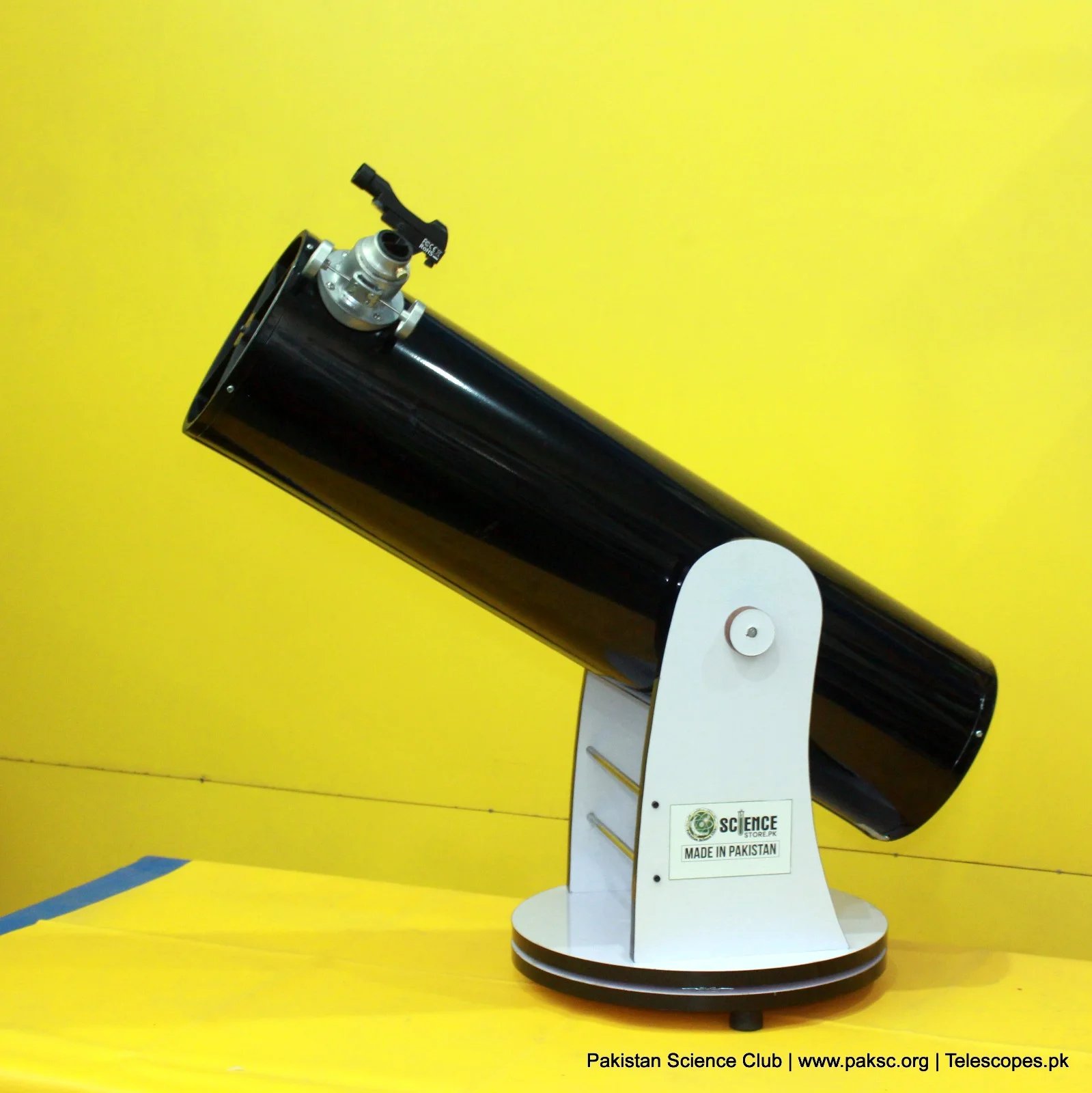
Made in Pakistan
RVision 8-1200 Astronomical Telescope
203 mm · f/5.9 · Newtonian reflector · Dobsonian mount
Rs 195,000
Nebula · in Orion
A cloud of gas and dust about 1,300 light-years away where new stars are forming - the brightest nebula in the sky. Also catalogued as M42.
When to look: Winter evenings, roughly November to March.
Described as seen by eye at the eyepiece, on a clear night. Photographs collect light for minutes or hours and show far more colour and detail.
One of the few nebulae that shows from a city, though much of its extent is lost.
A dark site shows far more of its wings and fainter structure.
Observing tip: Use low magnification. Look slightly to one side of the nebula (averted vision) to see its fainter parts.
Photographs are brighter and sharper than the view at the eyepiece; each is labelled with how it was taken.
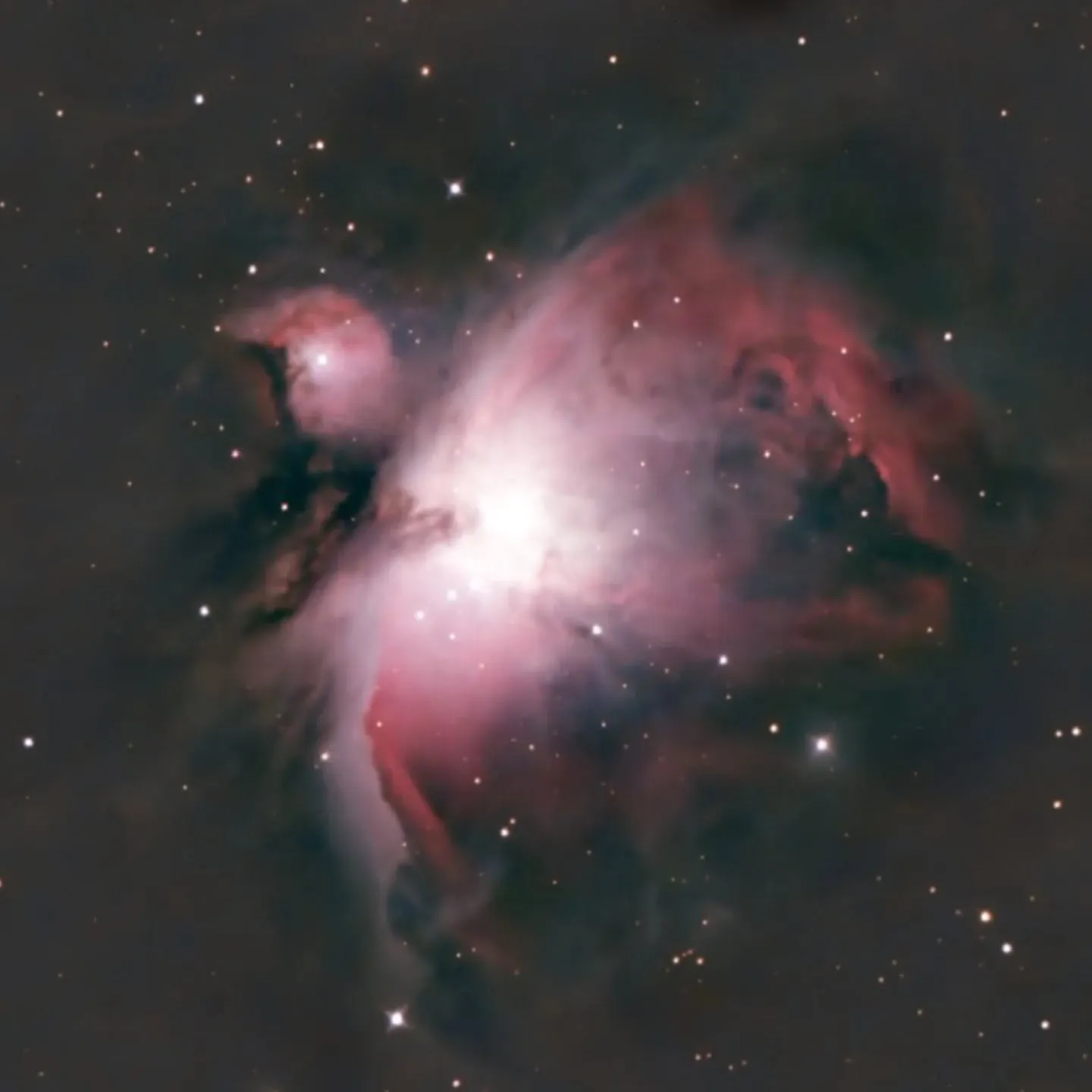
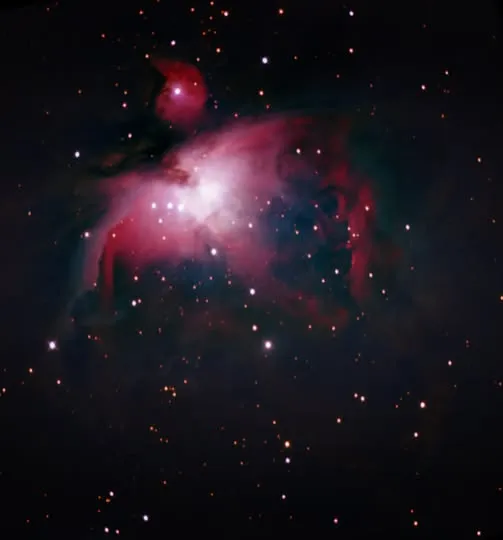
Rated Good or Excellent for deep sky observing by our editors.
203 mm · f/5.9 · Newtonian reflector · Dobsonian mount
Rs 195,000
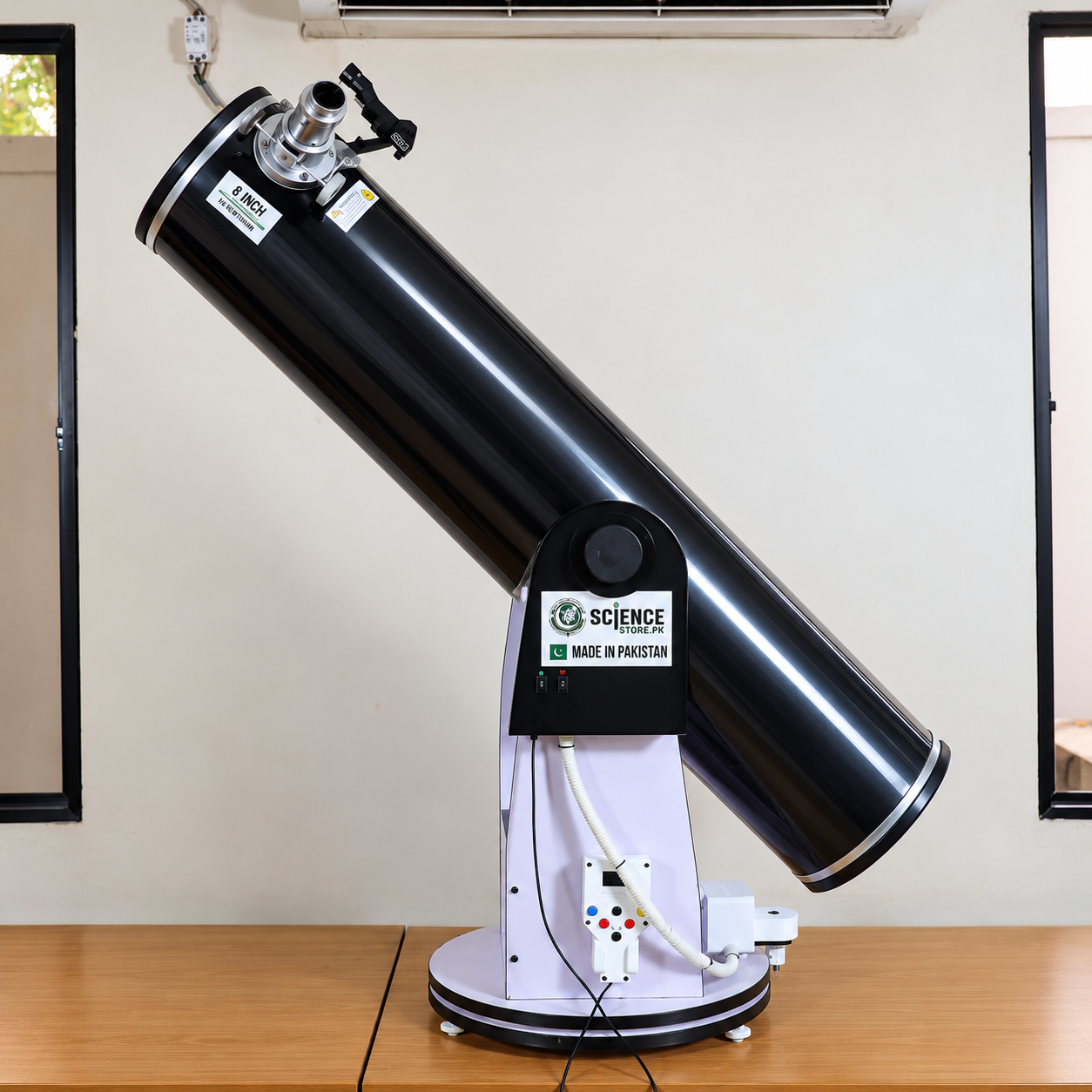
203 mm · f/5.9 · Newtonian reflector · Dobsonian mount · GoTo
Rs 380,000
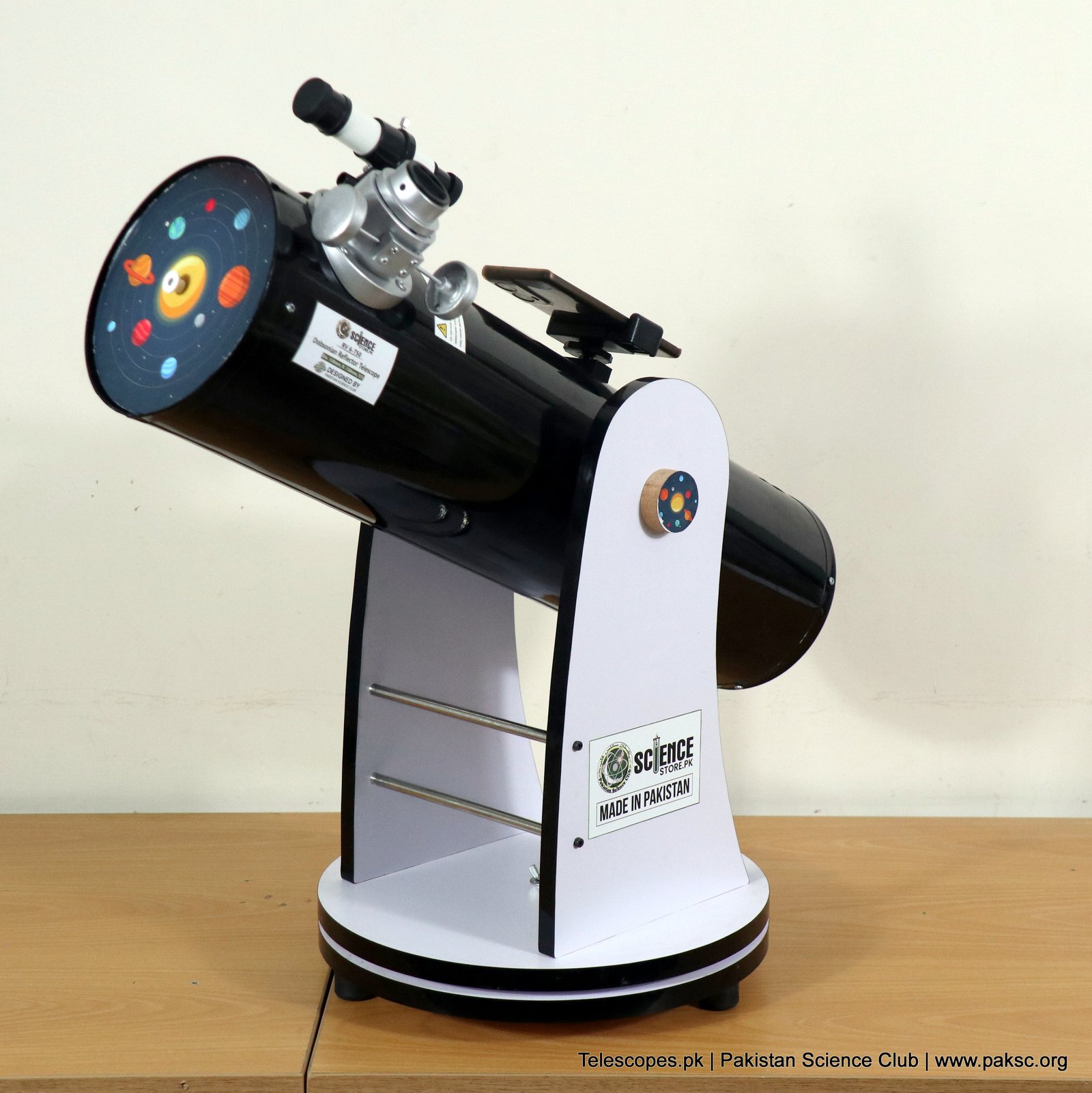
150 mm · f/5.0 · Newtonian reflector · Dobsonian mount
Rs 96,000